


Railing Options: Style, Safety, and the Right Fit for Your Deck
The right railing does more than meet code requirements. It frames your outdoor space, adds a layer of safety for family and guests, and ties the entire deck design together. At Adobe Lumber, we carry a wide selection of railing options to suit every aesthetic and budget, from clean aluminum profiles to warm natural wood. Whether you are finishing a new composite decking project or upgrading an existing structure, the right railing makes a lasting difference.
Choosing the Right Railing Material
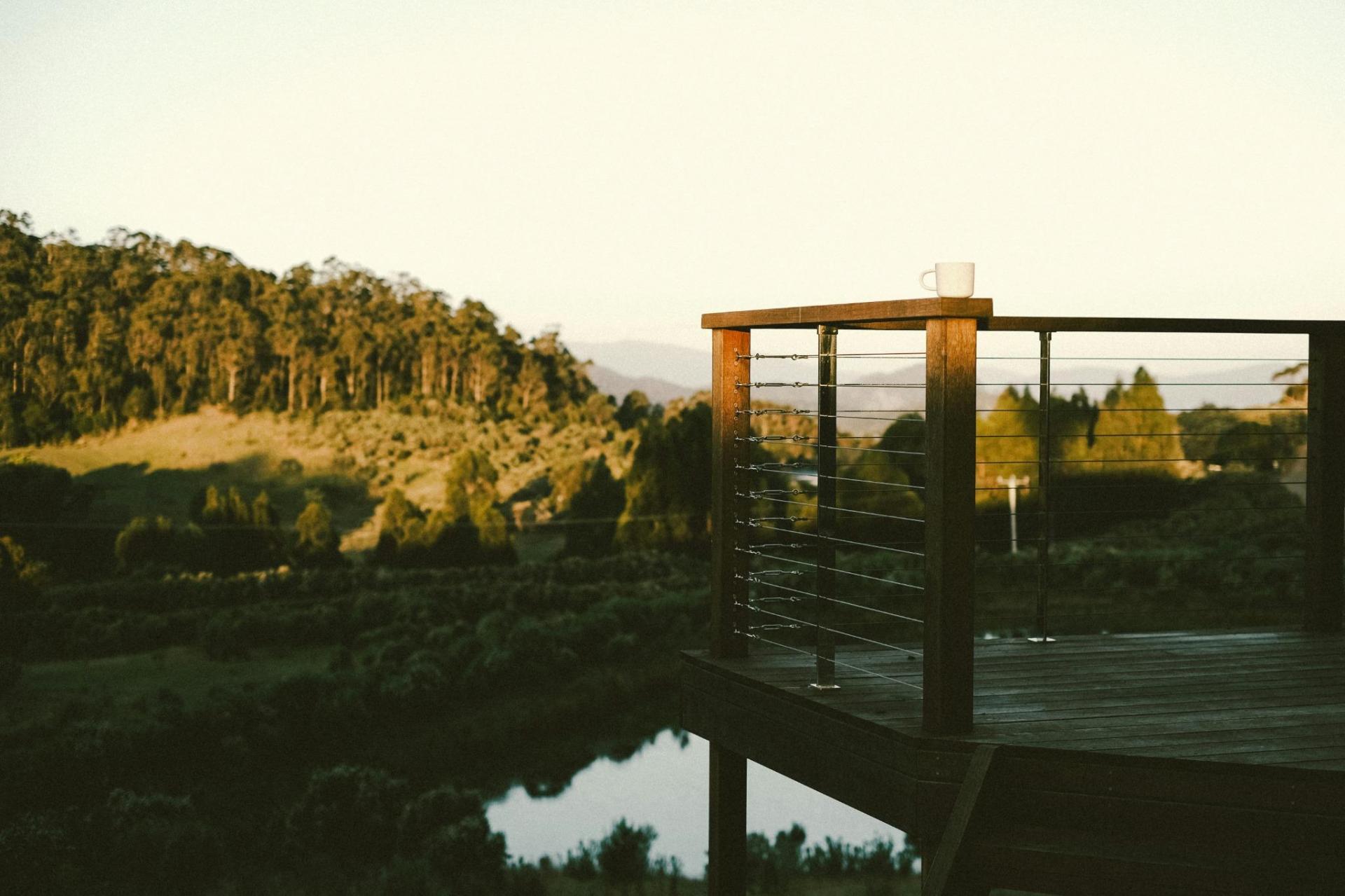
Material choice is the starting point for any railing decision. Aluminum is one of the most popular options we see, offering a lightweight, corrosion-resistant profile that holds paint well and requires very little upkeep over time. Cable railing has grown steadily in popularity for its open sight-lines and contemporary look, especially on decks with views worth preserving. For a warmer, more traditional feel, natural wood railings built with redwood or treated lumber bring character and texture that manufactured materials simply cannot replicate. Composite rail systems offer the best of both worlds for homeowners who want a wood-look finish without the seasonal maintenance.
Safety and Code Considerations
Beyond aesthetics, railings are a structural safety element, and California code has specific requirements for deck heights, baluster spacing, and load-bearing capacity. Most residential decks over 30 inches above grade require a railing of at least 36 inches in height, while commercial applications often call for 42 inches. Baluster spacing must be tight enough to prevent a four-inch sphere from passing through, a standard designed to protect young children. Our team at Adobe Lumber can help you understand what your project requires and match you with hardware and rail components that meet those specs without compromising the look you want.
Designing a Railing That Works With Your Deck
A railing system should feel like a natural extension of your deck, not an afterthought. When you are working with composite decking in a gray or neutral tone, a matching composite rail cap with black aluminum balusters creates a cohesive, modern finish. Natural wood decks tend to pair beautifully with painted or stained wood railings that echo the tones already present in the boards. Pergola structures overhead can also influence the railing choice, with heavier timber-look rails helping to ground an outdoor room that has a lot of vertical presence. We stock a range of post caps, rail connectors, and trim pieces so you can pull together a finished look at every detail level.
At Adobe Lumber in American Canyon, we work with homeowners, contractors, and designers throughout the Bay Area who are building outdoor spaces that are meant to last. Our showroom has fencing and railing displays you can see in person, and our team is here to answer questions about materials, installation, and code compliance. Whatever stage your project is in, we have the products and the experience to help you land on the right railing solution.
Ready to explore railing options for your deck? Contact Adobe Lumber to speak with our team or visit our American Canyon showroom.
Frequently Asked Questions
What railing height is required for a residential deck in California?
Most residential decks 30 inches or more above grade require a railing of at least 36 inches in height, though local jurisdictions and specific project conditions can affect requirements.
Is composite railing a good match for a composite deck?
Yes. Composite rail systems are designed to coordinate with composite decking products and offer the same low-maintenance, weather-resistant benefits as the deck boards themselves.
Can I mix railing materials, such as wood posts with cable infill?
Absolutely. Mixed-material railings are a popular choice and can create a striking visual contrast. Our team can help you select components that are structurally compatible and code-compliant.